
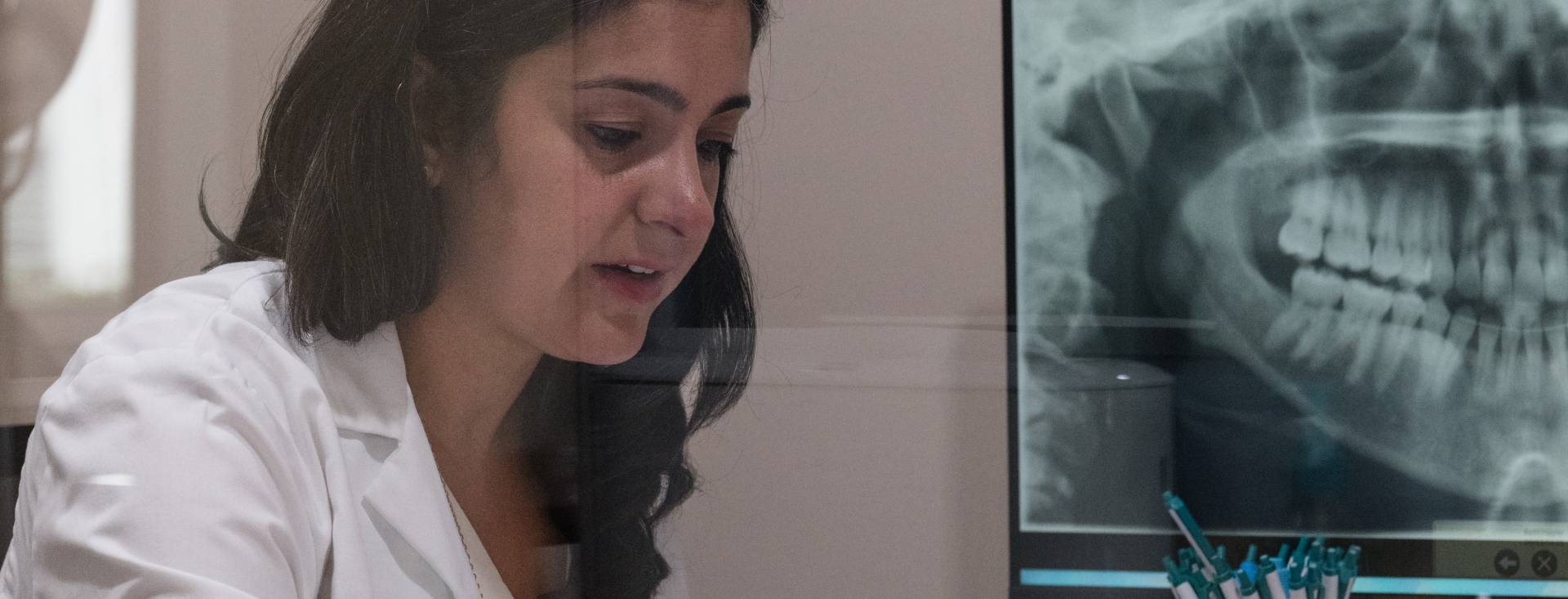
Surgical Orthodontics for Jaw Alignment
In some cases, traditional orthodontic treatment alone isn’t enough to achieve a healthy bite or balanced facial structure. That’s where surgical orthodontics, also known as orthognathic surgery, comes in.
This advanced treatment combines the expertise of Dr. Dalia Shlash, an oral and maxillofacial surgeon, to correct complex jaw issues, improving how you speak, chew, breathe, and look.
Surgical orthodontics offers transformative results for patients who need more than braces alone.
What Is Surgical Orthodontics?
Surgical orthodontics focuses on realigning the jaws when there are structural problems that can’t be corrected with braces alone. It’s typically recommended for adult patients with:
- Significant bite problems
- Jaw misalignment
- Facial aesthetic concerns
This type of surgery not only enhances function but can also dramatically improve facial appearance and symmetry.
Who Is a Candidate for Orthognathic Surgery?
Orthognathic surgery is most often recommended for adults who have finished growing. Jaw development typically ends:
- Around age 17-18 for females
- Around age 18 for males
If orthodontic problems persist after growth is complete, and especially if braces alone cannot resolve them, surgical intervention may be the most effective solution.
How Does the Process Work?
In some cases, starting braces alone may reveal a deeper issue: as the teeth move, the bite may actually get worse. That’s when surgical orthodontics may be recommended.
Here’s how the treatment works:
1. Braces First
Pre-surgical orthodontics begins to move the teeth into alignment. Usually, 8-10 months of pre-surgical orthodontic treatment is required before jaw surgery can be performed.
2. Orthognathic Surgery
Performed by an oral and maxillofacial surgeon, the jaw bones are repositioned to achieve optimal alignment. This may involve:
- Moving the upper or lower jaw forward, backward, up, or down
- Separating, reshaping, or adding bone for balance and function
Surgery typically takes several hours, depending on complexity, and often requires 4-6 weeks of post-surgical healing.
3. Post-Surgical Braces Adjustments
After surgery, minor adjustments are made to fine-tune the bite, requiring an additional 8-12 months of fine-tuning orthodontic treatment.
What to Expect After Surgery
Most patients are able to return to work or school within 4-6 weeks; however, this is determined by the oral surgeon who performs the surgery and evaluates post-surgical healing. Full healing generally takes between 4 to 8 weeks.
Here’s what the post-surgical phase looks like:
- Braces remain on for an additional 8–12 months after surgery
- Once braces are removed, a retainer is prescribed to maintain alignment
- You’ll have periodic follow-ups with your Oral Surgeon and with Dr. Shlash for bite checks and refinements
While recovery takes time, the life-changing results make it well worth it.
Considering Surgical Orthodontics?
If you’ve been told that your bite or jaw issues can’t be corrected with braces alone, Dr. Shlash can evaluate whether surgical orthodontics is the right solution for you.
Contact our office today to schedule a consultation and explore your options for long-term comfort, function, and facial harmony.
Frequently Asked Questions About Surgical Orthodontics
Orthognathic surgery can feel like a big step, so it’s natural to have questions about the process, recovery, and results. Below are some of the most common questions patients in our area ask when exploring jaw surgery as part of their orthodontic care.
Is jaw surgery painful?
Most patients are surprised by how manageable the discomfort is. You may feel pressure or soreness after surgery, but pain is typically well-controlled with prescribed medications. Your oral surgeon will guide you through every step so you know exactly what to expect and how to stay comfortable.
Will I have visible scars after orthognathic surgery?
In almost all cases, incisions are made inside the mouth, which means no visible scarring. If external incisions are ever needed, which is rare, they’re placed in discreet locations and tend to heal very well.
How much does surgical orthodontics typically cost?
Costs vary depending on the complexity of the case, the type of surgery, and insurance coverage. Many medical insurance plans provide partial benefits when surgery is considered medically necessary. Our team can help you review your coverage and provide a detailed estimate during your consultation.
Does insurance cover jaw surgery?
In many cases, yes. When the surgery is needed for functional reasons, such as improving breathing, correcting chewing difficulties, or addressing skeletal imbalances, medical insurance may cover a portion of the procedure. Orthodontic treatment is usually billed separately. We’re happy to help you navigate benefits and documentation.
How long will I need to take off from work or school?
Most patients return to work or school within 2–4 weeks, depending on comfort level and the type of work they do. Full healing continues over several weeks, and your surgeon will guide you on when it’s safe to resume normal activities.